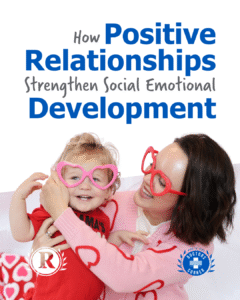
Strong, nurturing relationships are at the heart of every child’s social-emotional growth. When kids feel secure with the adults in their lives, they develop healthier emotional habits, stronger coping skills, and more confidence in social settings. Positive relationships truly shape the way children understand the world and their place in it.
Relationships Build the Foundation for Social-Emotional Development
Warm, responsive relationships are one of the most powerful predictors of social-emotional development in early childhood. When children experience predictable care — comfort after upsets, encouragement when trying something new, and consistent emotional support — they develop trust. That trust becomes the foundation they need to manage feelings, engage in play, and form friendships.
Why Feeling Seen and Safe Matters
Healthy relationships buffer stress and support long-term mental wellness. Children who feel safe with caregivers show more adaptability, curiosity, and willingness to explore. That emotional safety allows the brain to stay regulated, making learning and social interactions smoother.
Kids interpret challenges differently depending on the support around them. When relationships are strong, children view difficult situations as manageable rather than overwhelming, strengthening resilience over time.
Everyday Interactions Shape the Brain
Small, daily interactions, like greeting a child warmly, engaging in back-and-forth conversation, or offering comfort, teach kids what healthy connection feels like. These moments help build neural pathways involved in emotional regulation, stress response, and empathy. Interactions infused with warmth, respect, and responsiveness help kiddos develop self-worth and positive expectations of relationships.
Adults Model the Skills Children Will Use
Children learn social-emotional skills by watching adults navigate emotions. When caregivers model patience, active listening, problem-solving, and empathy, children internalize those same skills.
Simple modeled behaviors, like the below, help kids practice emotional literacy and cooperation:
- “I’m frustrated, so I’m going to take a breath.”
- “I hear you—you’re feeling sad.”
- “Let’s work on this together.”
Connection Helps Kids Blossom
Strong relationships stimulate the brain’s social and emotional centers, supporting everything from emotional awareness to impulse control. Activities, like classroom kindness chains, gratitude circles, or small acts of appreciation, help reinforce that relationships make communities feel safe and supportive.
Positive relationships are the engine of social-emotional development. When children feel understood, valued, and connected to the people around them, they gain the skills and confidence they need to thrive — socially, emotionally, and academically.
Sources
NCSL, Social and Emotional Development in Early Learning Settings. – Bold Science, How important are healthy relationships for children?. – NLM, Social relationships and children’s perceptions of adversity. – Brightwheel Blog, Building Positive Relationships in Early Childhood. – Raisingchildren.net.au, Relationships and Child Development. – Virtual Lab School, Promoting Social-Emotional Development… – Building Brains Together, Impact of Relationships on Child Development. – Heart and Mind Teaching, Fostering Social-Emotional Learning on Valentine’s Day: A Guide for Elementary Teachers.