Have you ever wondered why your child is more behaved for everyone other than you?
As dedicated preschool teachers, we often get asked what we know that parents don’t in order to get children to behave and follow directions. The truth is, your child is inclined to test his limits with you because he trusts that you will love him and be there for him no matter what.
Fortunately, that doesn’t mean you can’t borrow a few of our strategies to help get the best side of your children when you are with them. Here are a few tips to consider:
- Promote Their Independence. Preschool aged children still need plenty of parental assistance and guidance but they are often capable of more than we give them credit for. Here is how to encourage their independence:
- Expect more from them – In preschool, children are often expected to do things like hang up their jackets, clean up after themselves, throw away their trash at lunch, and things of this nature. If you don’t expect much from your preschooler, they will drop their performance to your expectations. If you raise the bar on what you want your child to do, they will generally stretch to meet that expectation – Try to give them more chores, and resist doing things for them that they can do for themselves.
- Allow them to solve simple problems. Don’t be quick to rush in and help your child solve a problem that they could do with a little time and ingenuity. If you see your child trying to assemble a toy or trying to get something they could reach if they stand on their step stool, think twice before racing over to assist them. As long as they are safe, allowing them to solve problems for themselves builds character and will help your child experience success.
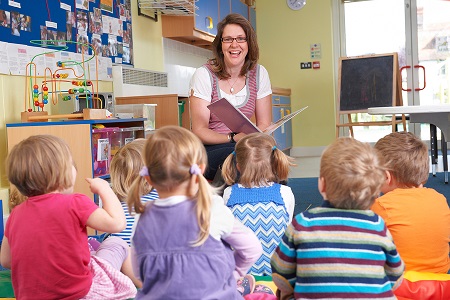
- Encourage Cooperation. If you were to walk into just about any preschool class in the area, you would see children sitting quietly in circle time activities, raising their hands to speak, passing out snacks, and working as a team to clean up. Most parents wonder how teachers get their children to work cooperatively when they can’t even get their child to get dressed regularly on their own when they are told. The key is praise and predictable routines!
- Praise – if your preschooler is not in a cooperative phase, make sure you praise him or her when they are being good. Make a big deal about them being successful at cooperation. Children will then repeat this behavior to get love and attention.
- Predictable routines – Preschoolers will generally cooperate with their teachers and classmates during school because they know what’s expected of them. Because children follow the same routine day after day, they are quick to learn what they are supposed to be doing. By being consistent at home, your child is more likely to be cooperative. Setting house rules like always washing your hands before a meal or getting dressed in PJs and brushing your teeth before story time will create a consistent routine that will eventually become second nature to your child.
- Discipline Effectively. Almost all parents utilize “time-outs” as a punishment, while most preschool teachers do not. Here are a few tips for discipline strategies that work:
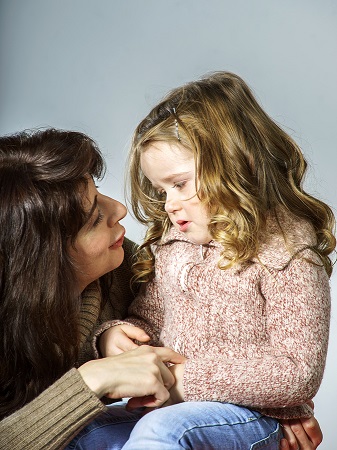 Redirect – Distraction is one of the best ways to get your child to behave. If your child is doing an unwanted behavior, offer an alternative that they can do instead. Reading a story together, drawing, or going outside to play are all ways to recapture the attention of your preschooler.
- Let them help right their wrongs – If your child has colored all over your living room walls, make them help wash it off. If they knock over a siblings block tower, ask them to help rebuild it. By involving them in the correction of their misbehavior, you are encouraging them to make a better choice the next go-round.
We have worked with hundreds of children during our tenure as Orlando’s best preschool. If you have any questions, would like to enroll your child into one of our award winning curriculum programs, or would enjoy a visit to our incredible campuses, contact us today.