We are enrolling! Join us in nurturing young minds, fostering creativity, and creating a brighter future. We're excited to introduce your child to a world of possibilities! Contact us today for details.
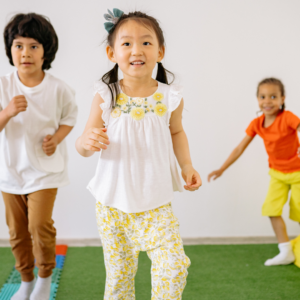 Preschool readiness means having emerging skills in communication, independence, social-emotional development, self-care, and learning, not mastering every academic skill before the first day. Children develop these abilities at different rates, and preschool provides meaningful opportunities to strengthen them through routines, play, relationships, and guided learning.
Key Takeaways
- Preschool readiness includes social-emotional, communication, self-care, independence, and learning skills, not just academics.
- Children develop readiness skills at different rates, so a checklist should be a guide rather than a pass-or-fail test.
- Everyday routines, play, and hands-on learning give children meaningful opportunities to build preschool readiness.
What Skills Should My Child Have Before Starting Preschool?
A child entering preschool benefits from being able to communicate basic needs, participate in simple routines, interact with others, and attempt age-appropriate self-care tasks. Children do not need to master every skill before starting school; preschool itself is an important place to practice and develop these abilities.
Families can begin preparing children by encouraging them to:
- Follow simple one- or two-step directions
- Communicate basic needs, wants, and feelings
- Participate in cleanup and familiar routines
- Practice washing hands and other self-care tasks
- Eat and drink with increasing independence
- Take turns and interact with other children
- Participate in short stories, songs, or group activities
These skills help children navigate the rhythm of a preschool classroom. A child may still need reminders, encouragement, or assistance, and that is completely normal. The goal is not independence without support. It is growing independence—learning to try, ask for help, solve simple problems, and try again.
What Preschool Readiness Skills Should a 2-Year-Old Have?
By age 2, preschool readiness often looks like emerging communication, curiosity, growing independence, and the ability to participate in simple routines with adult support. Two-year-olds may still need significant help with self-care and emotional regulation, which is developmentally appropriate.
Preschool readiness checklist for 2-year-olds:
- Uses words, gestures, or short phrases to communicate needs
- Understands and follows simple directions
- Begins recognizing familiar routines
- Shows interest in playing near or with other children
- Begins practicing turn-taking
- Attempts simple self-help tasks
- Participates in cleanup with support
- Shows curiosity about books, songs, and new activities
At this age, social-emotional development is especially important. Young children are still learning how to express big feelings and respond to frustration. Preschool provides opportunities to practice these skills with support from caring adults.
Families can reinforce readiness at home by offering simple choices, inviting children to help with everyday tasks, reading together, and keeping routines predictable.
What Preschool Readiness Skills Should a 3-Year-Old Have?
By age 3, many children are becoming more independent communicators and can participate more consistently in familiar routines. They may still need frequent reminders, but they are beginning to take greater responsibility for self-care, classroom activities, and interactions with others.
Preschool readiness checklist for 3-year-olds:
- Communicates wants, needs, and basic feelings
- Follows simple two-step directions
- Participates in familiar routines
- Attempts basic self-care tasks, such as handwashing and dressing
- Helps clean up after activities
- Participates in short group activities
- Begins taking turns and playing cooperatively
- Shows interest in stories, songs, numbers, letters, and creative activities
Academic readiness at this age should remain playful. Recognizing some letters, numbers, shapes, or colors can be helpful, but children do not need to read or write before entering preschool. Talking, singing, counting objects, looking at books, drawing, building, and exploring all support future learning.
Just as important are the learning behaviors children develop: listening, asking questions, trying something new, and staying engaged when an activity becomes challenging.
What Preschool Readiness Skills Should a 4-Year-Old Have?
By age 4, children are often ready to take on greater independence and participate more consistently in group learning. A four-year-old may be able to follow classroom expectations, communicate clearly, manage familiar routines, and engage with peers for longer periods.
Preschool readiness checklist for 4-year-olds:
- Follows multi-step directions
- Communicates needs and feelings clearly
- Participates in routines with fewer reminders
- Manages familiar self-care tasks with increasing independence
- Participates in group discussions, stories, and activities
- Takes turns and practices resolving simple conflicts
- Sustains attention during age-appropriate activities
- Shows curiosity, asks questions, and persists when learning feels challenging
At this stage, readiness is increasingly about how children approach learning. Listening, problem-solving, cooperating with others, trying again after a mistake, and feeling comfortable asking for help are valuable skills that support children as they move toward kindergarten.
The goal is not for every four-year-old to perform at exactly the same level. Instead, families and educators can focus on helping children continue building confidence and independence.
How Can Families Help Build Preschool Readiness Skills at Home?
Families can build preschool readiness through everyday routines rather than formal lessons. Small opportunities to practice independence, communication, social skills, and problem-solving can prepare children for the classroom while keeping learning natural and enjoyable.
Practice independence. Let children try putting on shoes, washing their hands, cleaning up toys, carrying a backpack, or helping with simple household tasks.
Create predictable routines. Consistent morning, mealtime, bedtime, and cleanup routines help children understand what comes next and become more comfortable with transitions.
Encourage communication. Read together, ask open-ended questions, name emotions, and give children time to explain what they need or how they feel.
Practice social skills. Pretend play, board games, playdates, and family activities provide opportunities to practice sharing, taking turns, listening, and solving simple problems.
Give children opportunities to try. When a task is challenging, offer encouragement before immediately stepping in. Working through age-appropriate challenges can build persistence, problem-solving skills, and confidence.
Most importantly, preschool readiness is a process. Children do not need to arrive on their first day knowing exactly how to behave in a classroom or manage every task independently. They need opportunities to practice, supportive adults who understand their developmental stage, and an environment where they feel safe enough to learn.
At Kids ‘R’ Kids Learning Academy of Matthews, children build these skills through nurturing relationships, consistent routines, hands-on learning, and age-appropriate opportunities to become more independent. The goal is not to master every readiness skill before preschool, but to give children the confidence and support they need to keep growing.
Ready to learn more about preschool readiness?Contact Kids ‘R’ Kids Learning Academy of Matthews to discover how our preschool programs can support your child’s confidence, independence, and love of learning.