We are enrolling! Join us in nurturing young minds, fostering creativity, and creating a brighter future. We're excited to introduce your child to a world of possibilities! Contact us today for details.
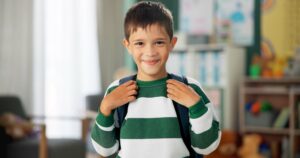 Packing your preschooler’s backpack is one of the easiest ways to set them up for a successful day. While every preschool has its own policies and routines, most children benefit from bringing a few everyday essentials that keep them comfortable, organized, and ready to learn. A well-packed backpack also encourages independence, helping preschoolers practice responsibility from the moment they arrive at school.
At Kids ‘R’ Kids Learning Academy of Matthews, families can keep their child’s backpack stocked with the items they need for comfort and personal care while leaving classroom supplies and meals to us.
Key Takeaways
- Pack extra clothing: Include a couple of complete changes of clothes, including shoes, in case your child has an accident or needs to change into something clean.
- Prepare for nap time: Bring a blanket and, if permitted, a favorite stuffed animal or doll your child sleeps with at home.
- Label personal belongings: Clearly labeling your child’s items helps prevent lost belongings and makes it easier for teachers to return items to the right child.
- Take nap items home weekly: Nap-time materials should go home every Friday to be laundered and returned on Monday.
- Know what your preschool provides: Kids ‘R’ Kids Learning Academy of Matthews provides meals, snacks, writing tools, and materials needed for daily classroom activities.
What Should I Pack for My Preschooler's Backpack?
Every preschooler should have a backpack that contains the personal items they need for comfort, changing clothes, and nap time. While your preschool’s requirements may vary, packing these essentials helps children feel prepared and gives them the opportunity to practice managing their own belongings.
Complete Preschool Backpack Checklist
✔ A child-sized backpack that is lightweight and easy for your child to carry and open independently.
✔ A couple of complete changes of clothes, including shirts, pants, underwear, socks, and shoes. Accidents and messy moments happen, so having extra clothing available allows your child to change into something clean and comfortable when needed.
✔ A blanket for nap time to help your child feel comfortable and settled during their rest period.
✔ A special stuffed animal or doll, if your child has a favorite animal or doll they sleep with and your preschool permits comfort items during nap time.
✔ Any required personal care items, such as diapers, pull-ups, or wipes, if your child still needs them.
✔ Any school-required health or medication items, following the school’s established health and medication procedures.
All nap-time materials can be brought in your child’s backpack and placed under their cubby. To keep these items fresh and clean, families are asked to take nap-time materials home every Friday to be laundered and return them on Monday.
Before your child’s first day, review any school-specific instructions to make sure you’re including everything your child needs. Packing only the essentials keeps backpacks manageable for young children and gives them more opportunities to take responsibility for their own belongings.
What Should I Pack for My Preschooler's First Day?
For your child’s first day of preschool, focus on comfort, clothing, and nap-time essentials. Pack a child-sized backpack with a couple of complete changes of clothes, including shoes, a blanket for nap time, and a favorite stuffed animal or doll if your child uses one for sleeping and the school permits it.
Label your child’s belongings clearly, especially clothing, blankets, shoes, and comfort items. This makes it easier for teachers to identify personal belongings and helps prevent items from getting lost or mixed up.
Remember that your child’s nap-time materials should go home every Friday for laundering and return to school on Monday.
Why Are Extra Changes of Clothes So Important?
A couple of complete changes of clothes can help preschoolers stay comfortable and confident after accidents, spills, messy art projects, outdoor play, or other unexpected moments. Having clean clothes readily available allows children to return to their day without unnecessary stress or embarrassment.
Preschoolers are constantly learning through hands-on experiences, and messy moments are often part of that process. Whether children are exploring sensory materials, painting, gardening, playing outdoors, or practicing self-help skills, having extra clothing available helps them participate fully in the day.
Be sure to include enough clothing for your child’s individual needs and choose seasonally appropriate items. Because preschoolers grow quickly, check the extra clothing every few months to make sure everything still fits. Labeling each item with your child’s name can also help ensure belongings make it back home.
What Should My Child Bring for Nap Time?
Preschoolers should bring a blanket for nap time to help them feel comfortable and settled during their rest period. If your child has a special stuffed animal or doll that they sleep with at home, they may bring that comfort item as well, as long as it is permitted by the school.
All nap-time materials may be brought in your child’s backpack and placed under their cubby until they are needed.
Families are asked to take all nap-time materials home every Friday to be laundered and return them on Monday. This weekly routine helps keep blankets and comfort items fresh and clean for the week ahead.
What Does Kids 'R' Kids Provide?
Families don’t need to fill their preschooler’s backpack with classroom supplies or meals. Kids ‘R’ Kids Learning Academy of Matthews provides many of the items children need throughout the school day, allowing families to focus on packing the personal belongings their child needs for comfort and care.
Kids ‘R’ Kids provides:
- Breakfast
- Lunch
- Afternoon snack
- Writing tools, including pens, pencils, crayons, and markers
- Materials needed for classroom activities, including art supplies, binders for journals, musical instruments, and more
With these classroom essentials provided, children can spend their day exploring, creating, learning, and participating in engaging activities without families needing to pack additional school supplies.
What Should Stay Out of a Preschool Backpack?
Most preschoolers don’t need toys, electronics, or valuable belongings at school. Packing only the essentials minimizes distractions, reduces the chance of items being lost, and helps children stay focused on classroom activities and friendships.
Unless your preschool specifically requests otherwise, it’s usually best to leave these items at home:
- Electronic devices or tablets
- Favorite toys or collectibles that aren’t used for nap time
- Jewelry or sentimental accessories
- Money
- Candy or gum
- Unapproved medications
If your child wants to bring something special for a classroom activity or celebration, check with their teacher first to make sure it’s appropriate.
How Big Should a Preschool Backpack Be?
A preschool backpack should be large enough to hold your child’s personal belongings without being too bulky or heavy to carry. Since your child may need to bring extra clothes, shoes, and nap-time materials, choose a backpack that has enough room for these essentials while remaining manageable for a young child.
Look for adjustable shoulder straps, sturdy zippers, and lightweight materials. A backpack that is easy to open and close can also encourage your child to practice independence when putting away or retrieving their belongings.
Label both the inside and outside of the backpack with your child’s name. You may also want to label individual clothing items, shoes, blankets, and comfort items to make them easier to identify.
How Can Families Keep Preschool Backpacks Organized Throughout the Year?
A simple routine can help keep your preschooler’s backpack organized and ensure they have everything they need each day. Spending a few minutes checking supplies and personal belongings can also create a smoother morning routine.
A quick backpack check can include:
- Making sure your child has a couple of complete changes of clothes, including shoes
- Checking that clothing still fits and is appropriate for the season
- Washing and preparing the nap-time blanket
- Returning any stuffed animal or doll your child uses for nap time
- Taking nap-time materials home every Friday for laundering
- Returning clean nap-time materials on Monday
- Removing artwork, papers, or other items that need to go home
- Checking for personal belongings that may have been left in the backpack or cubby
As children become more independent, invite them to help with this routine. Simple responsibilities—such as placing their blanket in their backpack, helping gather their extra clothes, or zipping their bag closed—teach organizational skills and help children take ownership of their belongings.
At Kids ‘R’ Kids Learning Academy of Matthews, children are encouraged to develop independence as part of their daily classroom routines. These small moments help children build confidence, responsibility, and problem-solving skills while making transitions into the school day smoother for everyone.
Help Your Preschooler Start Every Day Prepared
Packing your preschooler’s backpack doesn’t have to be overwhelming. With a couple of changes of clothes, shoes, a cozy blanket, and an optional comfort item for nap time, your child can have the personal essentials they need to feel comfortable and prepared throughout the day. A simple routine of labeling belongings, laundering nap-time materials each week, and encouraging your child to help manage their backpack can also build valuable habits of independence and responsibility.
At Kids ‘R’ Kids Learning Academy of Matthews, we’re committed to creating a supportive environment where children can learn, explore, and grow while developing the confidence and life skills they need for the future. With meals, snacks, writing tools, and classroom activity materials provided, families can focus on sending the personal items their child needs for comfort and care.
If you’re looking for a preschool that partners with families to create positive daily routines and meaningful learning experiences, contact Kids ‘R’ Kids Learning Academy of Matthews today to learn more about our programs and schedule a tour.