Daycare, Preschool or Pre K in Richardson TX: Which Program Fits Your Child?
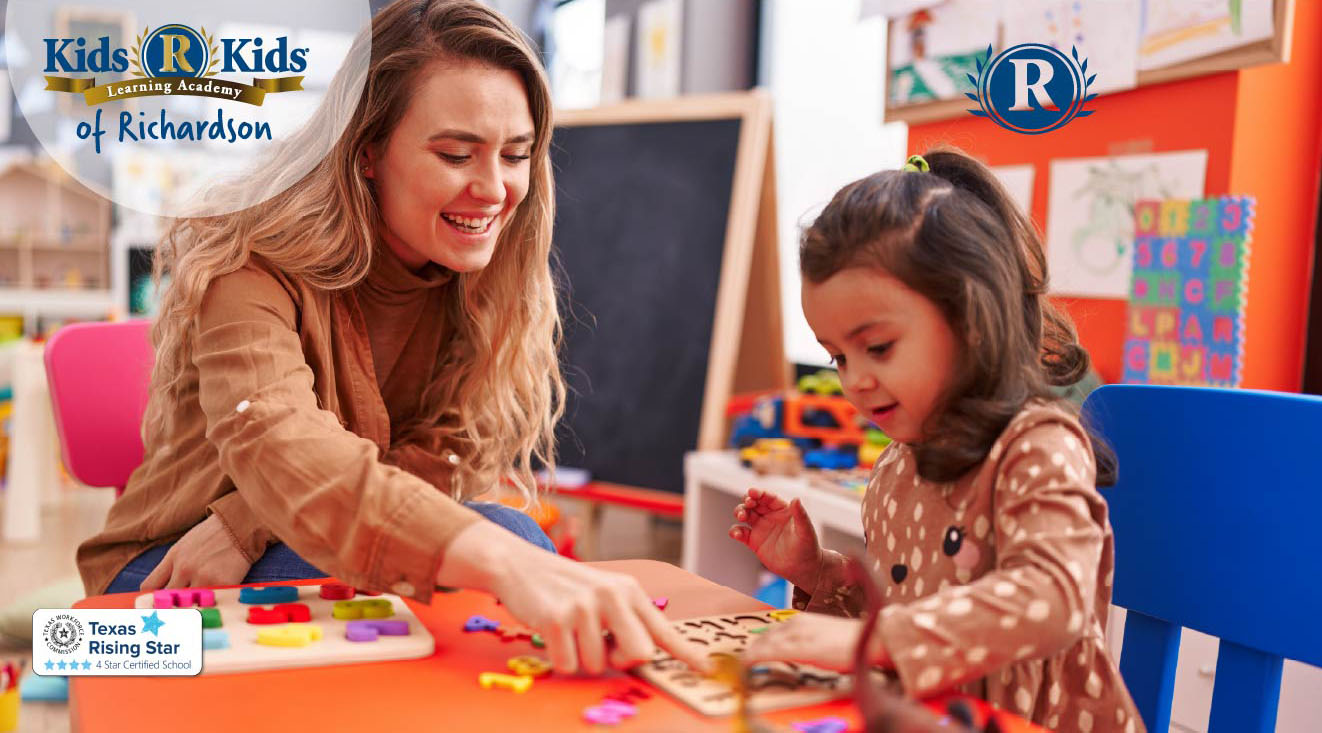
Daycare, preschool and Pre K are often used as though they mean the same thing. For families comparing daycare vs preschool in Richardson TX, the better question is not which label sounds best. It is which daily experience fits your child’s age, development, personality and family schedule.
A younger child may need nurturing care and familiar routines. A preschooler may be ready for richer conversation, cooperative play and early learning. A child approaching kindergarten may benefit from a Pre K classroom that builds greater independence and deeper literacy, math and problem solving skills.
Parents often begin with searches such as daycares in Richardson, preschools near me or Pre K near me. Those searches help families find options, but the right choice depends on what happens inside the classroom.
Here is a clear guide to help you choose with confidence.
The Simple Difference
Daycare describes a broader care setting and schedule. Preschool is an early learning stage that often begins around age three. Pre K is the next step for children approaching kindergarten and often begins around age four.
Program names and age requirements vary. The right placement should also consider your child’s development, daily routine and previous group experience.
What Does Daycare Mean?
Daycare is a broad term for care provided while parents work or manage other responsibilities. A daycare program may serve infants, toddlers, preschoolers and school age children. The day can include meals, rest, outdoor play, stories, music, learning activities and social interaction.
Quality daycare is not simply supervision. Care and learning should happen together. Babies build trust through responsive relationships. Toddlers develop language and coordination through movement and conversation. Older children practice independence and friendship skills throughout the day.
Daycare may fit your family when your child needs a nurturing daily routine, you need dependable care through the workday, or you prefer one school that can support several developmental stages.
What Does Preschool Mean?
Preschool gives greater attention to language, social development, thinking skills, early literacy and early math.
At Kids ‘R’ Kids Learning Academy of Richardson, the accredited preschool program is designed for children starting around age three and combines academic learning with play based experiences.
A preschool classroom should still feel active and joyful. Children learn through stories, conversations, music, movement, building, pretend play, art, science exploration and hands on problem solving. They also practice listening, taking turns, choosing materials, cleaning up and communicating their needs.
Preschool may fit when your child is beginning to join classroom routines, express questions and ideas, play with other children and show curiosity about letters, numbers, patterns and how things work.
A child does not need to read, write full words or count to a high number before entering preschool. A strong preschool builds those foundations without turning every activity into a test.
What Does Pre K Mean?
Pre K is the stage directly before kindergarten.
At Kids ‘R’ Kids Richardson, the Pre K program begins around age four at select schools. It continues to use purposeful play while giving children more opportunities to develop independence, communication, early reading, early writing, math reasoning and classroom responsibility.
Pre K may fit when your child is approaching kindergarten and ready to follow longer routines, participate in group conversations, work through simple challenges and manage more of the day independently.
Pre K should not feel like a smaller version of elementary school. Young children still need movement, creativity, relationships and time to explore.
Preschool vs Pre K: What Changes?
The difference is usually not a sudden shift from play to academics. It is a gradual increase in depth, independence and responsibility.
Learning Becomes More Connected
A preschool child may sort objects by color. A Pre K child may sort the same objects in more than one way and explain the rule.
A preschool child may listen to a story and name a character. A Pre K child may retell the sequence, predict what happens next or connect the story to a personal experience.
Routines Become More Independent
Preschoolers often need regular reminders and adult support. Pre K children are encouraged to remember more steps, care for materials and complete familiar routines with greater confidence.
Communication Becomes More Detailed
Preschool supports vocabulary, listening and conversation. Pre K adds more opportunities to explain reasoning, ask detailed questions, tell stories and solve social problems with words.
Kindergarten Preparation Becomes More Intentional
Pre K gives children repeated practice with the habits that support a smoother move into kindergarten. These include joining a group, following directions, trying unfamiliar tasks, managing frustration and completing parts of the day more independently.
How Should Richardson Parents Choose?
Age is a starting point, not the only decision. Consider these five questions.
1. What Does My Child Need Right Now?
Think about communication, movement, social comfort, independence, rest and emotional support.
Choose a classroom that supports current needs while gently encouraging the next stage.
2. What Schedule Does Our Family Need?
Some families need full day care every weekday. Others need a part time, half day or flexible option.
The program must work in real life, not only look good on paper.
3. How Does My Child Learn Best?
Notice whether your child learns through movement, conversation, repetition, imaginative play, music, building or quiet observation.
During a tour, look for several ways to participate rather than one fixed teaching method.
4. How Will the School Communicate With Us?
Ask how teachers share information about meals, rest, learning, behavior, milestones and concerns.
Clear communication helps families and teachers respond consistently.
5. Can the Program Support the Next Transition?
A strong early learning school should explain how infant care connects to toddler development, how preschool builds toward Pre K and how Pre K prepares children for kindergarten routines.
How Kids ‘R’ Kids Richardson Supports Every Stage
Kids ‘R’ Kids Learning Academy of Richardson provides childcare and early education for children ages six weeks to twelve years.
Families can explore infant care, toddler care, preschool, Pre K, private kindergarten, before and after school care, flexible childcare and summer camp.
The school is family owned and operated and is recognized as a Texas Rising Star 4 Star school.
Its First Class Curriculum supports language, physical, cognitive, social and emotional development through purposeful learning. Brain Waves activities, STEAM Ahead experiences and classroom technology add opportunities to investigate, create, communicate and solve problems.
Families can also ask about secured entrances, tempered glass classroom walls, monitored cameras and password protected livestream viewing for enrolled families.
The preschool program begins around age three and balances academic learning with play based activities.
The Pre K program begins around age four and adds learning experiences in language, art, construction, dramatic play, math, reading, science, sensory exploration and writing.
Families with changing schedules can also ask about full day, half day, part time, drop in and hourly Flex options.
A Quick Decision Guide
Choose infant or toddler care when your child needs nurturing care and consistent routines.
Choose preschool when your child is around age three and ready to build communication, friendships, independence and early learning through play.
Choose Pre K when your child is around age four, approaching kindergarten and ready for deeper projects and greater classroom independence.
Ask about flexible childcare when your schedule does not follow a standard full day plan.