We are enrolling! Join us in nurturing young minds, fostering creativity, and creating a brighter future. We're excited to introduce your child to a world of possibilities! Contact us today for details.
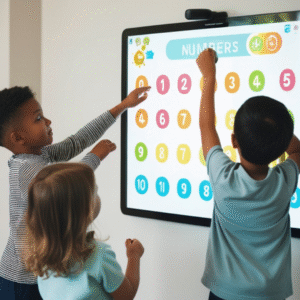 Curiosity is at the heart of early childhood learning. Preschoolers are naturally eager to explore, ask questions, and try new things. Hands-on learning gives children the opportunity to actively engage with their environment, but it is the guidance of skilled teachers that helps turn curiosity into meaningful learning experiences. In a quality preschool setting, hands-on activities are thoughtfully designed to support growth across all areas of development.
Creating an Environment That Invites Exploration
Hands-on learning begins with an environment that encourages discovery. When materials are accessible and inviting, preschoolers feel empowered to explore independently. Open-ended toys, art supplies, building materials, and sensory tools invite children to experiment and problem-solve. A well-organized classroom allows children to make choices, follow their interests, and engage deeply in learning without feeling overwhelmed.
Observing and Responding to Curiosity
Preschool teachers play a key role by observing how children interact with materials and with one another. These observations help teachers understand each child’s interests, strengths, and developmental needs. When a teacher notices curiosity emerging—such as a child repeatedly stacking blocks or exploring water play—they can introduce new challenges or questions that extend learning. This responsive approach keeps learning engaging and meaningful.
Asking Thoughtful Questions
Rather than giving answers right away, teachers use open-ended questions to guide thinking. Questions like “What do you think will happen next?” or “How could you make that stronger?” encourage preschoolers to reflect and experiment. This approach builds critical thinking skills and helps children learn to express ideas and test solutions independently. Thoughtful questioning supports deeper understanding while honoring a child’s natural curiosity.
Supporting Collaboration and Social Growth
Hands-on learning often takes place in group settings, giving teachers opportunities to support social development. Teachers help preschoolers practice sharing materials, taking turns, and communicating ideas. These interactions build teamwork, empathy, and cooperation. Learning alongside peers also helps children gain confidence and develop positive relationships.
Building Confidence Through Guided Support
When teachers provide encouragement and gentle guidance, preschoolers feel safe trying new things. Hands-on learning allows children to experience success and learn from mistakes. Teachers celebrate effort and persistence, helping children develop confidence and resilience. This supportive environment empowers children to approach challenges with curiosity rather than fear.
At Kids ’R’ Kids Learning Academy of Oakbrook, our teachers thoughtfully guide hands-on learning experiences every day. Through nurturing support, intentional classroom design, and responsive teaching, we help preschoolers turn curiosity into confidence and build a strong foundation for lifelong learning.
If you enjoyed this blog, please take a look at our school’s blog page. There you will find blogs on a wide variety of topics that we believe will be beneficial to you and your family. Want to learn more about Kids ‘R’ Kids Learning Academy of Oakbrook located in Norcross, Georgia? Our mission is to provide secure, nurturing, and educational environments for children ages 6 weeks – 12 years. We help children to bloom into responsible, considerate, and contributing members of society. For more information, give us a call or stop by for a tour! We’d love to get to know you and your family.