We are enrolling! Join us in nurturing young minds, fostering creativity, and creating a brighter future. We're excited to introduce your child to a world of possibilities! Contact us today for details.
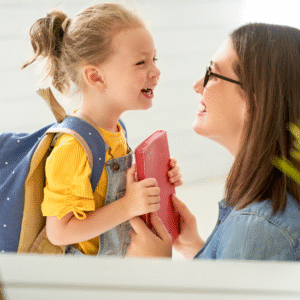 As spring break comes to an end, returning to school can feel like a big transition for preschoolers. After days of flexible schedules, family time, and special activities, young children may need extra support adjusting back to familiar routines. With thoughtful preparation and reassurance, families can help preschoolers return to school feeling confident, secure, and ready to learn.
Reintroducing School-Day Rhythms Gradually
A smooth transition back to school often starts a few days before spring break ends. Gradually returning to regular bedtimes and wake-up times helps preschoolers reset their internal clocks and feel well-rested. Reestablishing familiar morning routines—such as getting dressed, eating breakfast, and packing backpacks—also helps children reconnect with the structure of the school day. Predictable rhythms reduce anxiety by helping children know what to expect.
Talking Positively About Returning to School
Preschoolers benefit greatly from conversations about upcoming changes. Talking positively about returning to school helps children mentally prepare and builds excitement. Families can mention favorite teachers, classroom activities, or friends to remind children of what they enjoy about school. Asking open-ended questions like, “What are you excited to do when you go back?” allows children to express their thoughts and feelings. Visual reminders, such as marking the return date on a calendar or looking at photos from school, can also help preschoolers understand what comes next.
Supporting Emotional Readiness
Transitions are not just about schedules—they involve emotions, too. Some preschoolers may feel hesitant, clingy, or unsure about returning to school after time at home. Acknowledging these feelings helps children feel understood and supported. Simple reassurance, such as saying, “It’s okay to feel a little nervous,” validates emotions while reinforcing trust. Offering encouragement and patience gives children the confidence they need to navigate change successfully.
Practicing School Skills at Home
Helping children practice familiar school-related skills at home can make returning to the classroom feel more comfortable. Encouraging preschoolers to follow simple directions, clean up after activities, and transition between tasks reinforces expectations they experience at school. Reading together, practicing turn-taking during play, and supporting independence with tasks like washing hands or putting on shoes help children feel capable and prepared.
Creating Consistency Between Home and School
Consistency between home and school plays an important role in smooth transitions. When expectations align, preschoolers feel more confident and secure. Supporting habits such as listening, taking turns, and following routines at home reinforces what children experience in the classroom, making the return to school feel familiar rather than overwhelming.
At Kids ’R’ Kids Learning Academy of Landstar, we prioritize smooth transitions and emotional well-being. Through structured routines, nurturing teachers, and supportive classroom environments, we help children feel safe, confident, and excited to continue learning—before and after every school break.
If you enjoyed this blog, please take a look at our school’s blog page. There you will find blogs on a wide variety of topics that we believe will be beneficial to you and your family. Want to learn more about Kids ‘R’ Kids Learning Academy of Landstar located in Orlando, Florida? Our mission is to provide secure, nurturing, and educational environments for children ages 6 weeks – 12 years. We help children to bloom into responsible, considerate, and contributing members of society. For more information, give us a call or stop by for a tour! We’d love to get to know you and your family.