We are enrolling! Join us in nurturing young minds, fostering creativity, and creating a brighter future. We're excited to introduce your child to a world of possibilities! Contact us today for details.
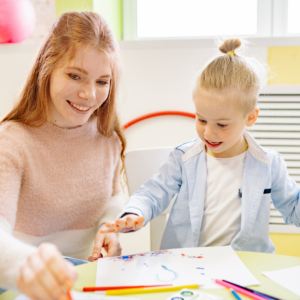 Preschool gives children countless opportunities to interact with others, from greeting teachers in the morning to working with friends during play. Through these everyday experiences, preschoolers begin developing social skills that help them communicate, cooperate, manage emotions, and build positive relationships with others.
How Preschoolers Learn to Communicate With Others
Communication is one of the most important social skills children develop during the preschool years. In a classroom environment, preschoolers practice listening to teachers, expressing their ideas, asking questions, and talking with friends.
Children also learn that communication involves more than speaking. They begin recognizing facial expressions, body language, tone of voice, and other nonverbal cues. During group activities, a preschooler may learn to wait until someone finishes speaking before sharing an idea or to listen when a friend explains how they feel.
Families can encourage these skills at home by having regular conversations with their children. Ask open-ended questions, give your preschooler time to respond, and model active listening. If your child interrupts, offer a simple reminder: “Let’s listen to your friend first. You can share your idea when they finish.”
Practicing Cooperation and Problem-Solving
Playing alongside other children naturally creates opportunities for preschoolers to practice cooperation. Whether children are building with blocks, completing a puzzle, or pretending to run a restaurant, they must learn how to share space, exchange ideas, and work toward a common goal.
Conflicts are also a normal part of learning social skills. With guidance from caring teachers, children can begin learning how to solve disagreements using words rather than grabbing, yelling, or walking away. A teacher might encourage a child to say, “I was using that,” or “Can we take turns?”
These experiences help preschoolers understand that problems can be solved respectfully and that there may be more than one way to reach an agreement.
Developing Empathy and Respect for Others
As preschoolers interact with classmates, they also begin developing empathy. They may notice when a friend is sad, offer comfort to someone who is upset, or celebrate when another child succeeds.
Families can reinforce empathy by helping children recognize how others might feel. Ask questions such as, “How do you think your friend felt when you shared your toy?” Simple conversations like these help preschoolers become more aware of other people’s feelings and perspectives.
At Kids ‘R’ Kids Learning Academy of Oakbrook, nurturing relationships and meaningful interactions help children grow socially and emotionally. Inquire about our preschool programs to discover how your child can learn, play, build friendships, and develop the social skills needed to thrive in the classroom and beyond.