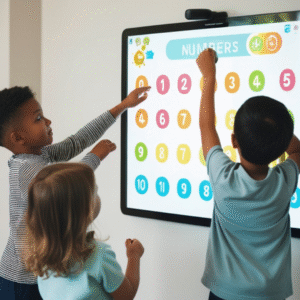
 Preschoolers learn best when they are actively involved in the learning process. At this stage of development, children are naturally curious and eager to explore how things work. Hands-on learning gives preschoolers the opportunity to learn by doing—using their senses, movement, and imagination to make meaningful connections. These experiences help learning feel exciting, accessible, and fun.
Engaging the Senses to Support Learning
Hands-on learning engages multiple senses at once, which helps preschoolers better understand new concepts. When children touch, see, hear, and move while learning, their brains create stronger connections. Activities like playing with sensory bins, building with blocks, or experimenting with water and sand allow children to explore cause and effect. These sensory-rich experiences support cognitive development while strengthening memory and attention.
Building Understanding Through Experience
Young children learn best through direct experience rather than abstract instruction. Hands-on activities allow preschoolers to explore ideas in real time. For example, pouring water between containers teaches volume and measurement, while sorting objects by size or color builds early math skills. When preschoolers experience learning firsthand, they gain a deeper understanding of concepts that might otherwise feel confusing or distant.
Encouraging Problem-Solving and Persistence
Hands-on learning naturally includes challenges that help children develop problem-solving skills. When a tower falls or a puzzle piece doesn’t fit, preschoolers are encouraged to try again. These moments teach persistence and resilience, helping children learn that mistakes are part of the learning process. Over time, children gain confidence in their ability to think through problems independently.
Supporting Social and Language Development
Many hands-on activities involve collaboration and communication. Working together on projects or sharing materials encourages preschoolers to practice taking turns, expressing ideas, and listening to others. These interactions support language development and help children build positive relationships with peers. Learning alongside others also fosters empathy and cooperation.
Creating Meaningful Learning Experiences
Hands-on learning makes education meaningful and engaging. When children are actively involved, they are more likely to stay focused and interested. These positive experiences help preschoolers develop a love of learning and approach new challenges with curiosity and confidence.
At Kids ’R’ Kids Learning Academy of Medlock Bridge, hands-on learning is a core part of our approach. Our classrooms provide engaging, interactive experiences that allow children to explore, experiment, and grow. Through purposeful play and guided discovery, we help preschoolers build strong foundations for lifelong learning.
If you enjoyed this blog, please take a look at our school’s blog page. There you will find blogs on a wide variety of topics that we believe will be beneficial to you and your family. Want to learn more about Kids ‘R’ Kids Learning Academy of Medlock Bridge located in Norcross, Georgia? Our mission is to provide secure, nurturing, and educational environments for children ages 6 weeks – 12 years. We help children to bloom into responsible, considerate, and contributing members of society. For more information, give us a call or stop by for a tour! We’d love to get to know you and your family.